

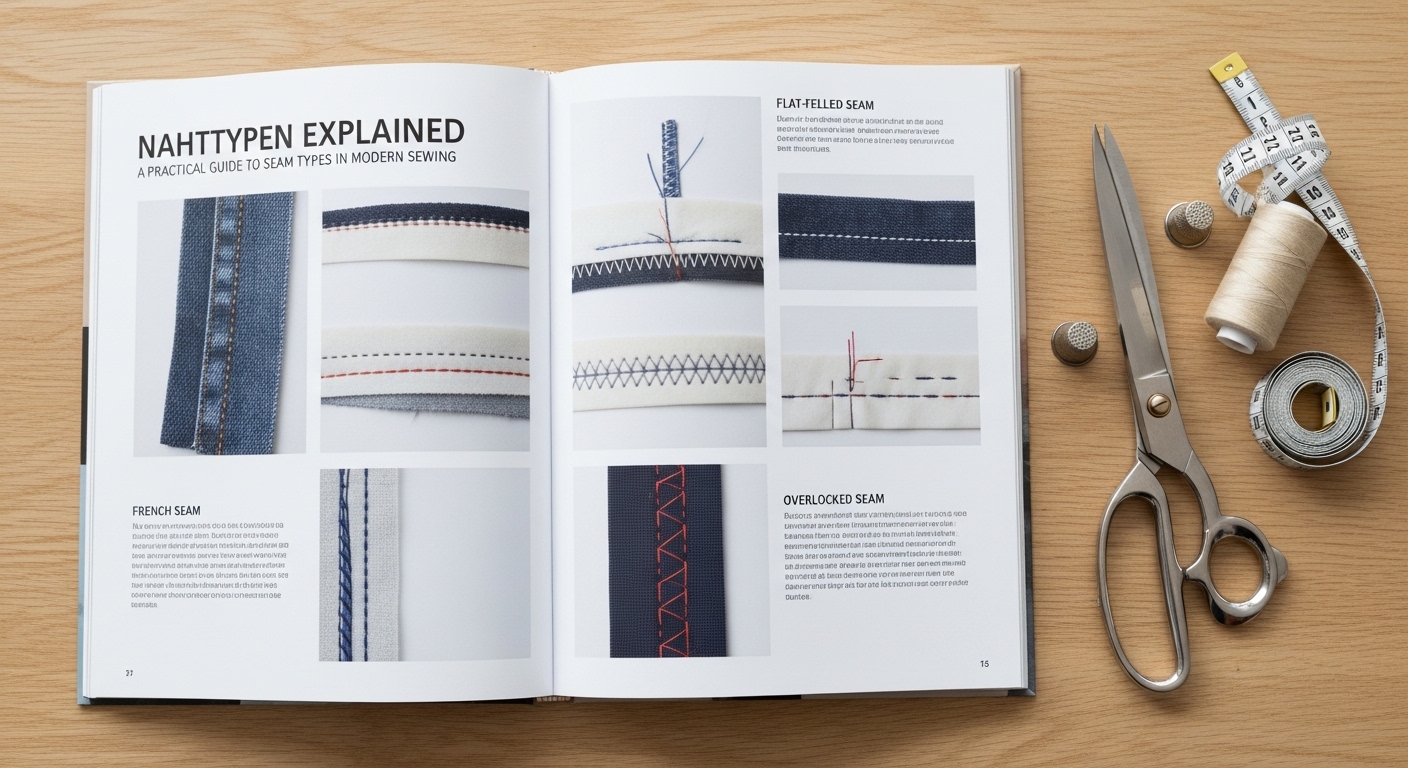
Nahttypen play a central role in sewing, garment construction, and textile production. Whether in fashion design, home sewing, or industrial manufacturing, the choice of seam type directly affects durability, comfort, and appearance. Many people focus on fabrics and patterns, but seams are what hold everything together and determine how a finished piece performs over time. Understanding nahttypen helps beginners improve their skills and allows professionals to make informed decisions based on function and design. The importance of seam types, their practical applications, and how they contribute to high-quality results in modern sewing projects across different industries and skill levels.
The Importance of Nahttypen in Garment Construction
Nahttypen are essential because they determine how fabric pieces are joined and how stress is distributed across a garment. A well-chosen seam type improves strength, flexibility, and comfort, while a poor choice can lead to tearing or discomfort during wear. In garment construction, different areas require different seam solutions, depending on movement, weight, and fabric behavior. Nahttypen also influence how a garment fits and drapes on the body. For example, seams used in structured clothing differ from those in casual or stretch garments. By understanding the purpose of each seam type, designers and sewists can create garments that last longer and maintain their shape. This knowledge is especially valuable when working with delicate or technical fabrics.
Common Nahttypen Used in Everyday Sewing
Many nahttypen are widely used in everyday sewing because they are reliable and easy to apply. These seam types are often found in clothing, home textiles, and simple craft projects. They provide a balance between strength and simplicity, making them suitable for beginners and experienced sewists alike. Common nahttypen are designed to hold fabric securely while allowing for clean finishing and minimal bulk. Their popularity comes from their versatility and compatibility with a wide range of fabrics. By mastering these basic seam types, sewists can handle most standard projects with confidence. Understanding how and when to use these nahttypen improves efficiency and reduces errors during construction.
Specialized Nahttypen for Professional Results
In professional tailoring and industrial production, specialized nahttypen are used to meet higher performance and aesthetic standards. These seam types are designed to handle specific challenges such as heavy fabrics, high tension, or repeated movement. Specialized nahttypen often provide enhanced durability, improved flexibility, or a refined appearance on both the inside and outside of a garment. They are commonly found in outerwear, sportswear, and formal clothing. While these seams may require more skill or equipment, they significantly improve the overall quality of the finished product. Learning about advanced nahttypen allows sewists to elevate their work and achieve results that match professional expectations.
Choosing the Right Nahttypen for Different Fabrics
Fabric selection plays a major role in determining which nahttypen should be used. Lightweight fabrics require seams that minimize bulk, while heavier materials need stronger seam structures. Stretch fabrics demand seam types that can move without breaking, making flexibility a key factor. Nahttypen must also consider fabric texture, thickness, and tendency to fray. Choosing the wrong seam type can distort the fabric or reduce comfort during wear. By matching seam characteristics with fabric properties, sewists can improve both durability and appearance. This thoughtful approach ensures that garments and textile products perform as intended and maintain their quality through repeated use and washing.
The Role of Nahttypen in Durability and Comfort
Beyond construction, nahttypen directly affect how a finished item feels and lasts over time. Seams that are too stiff can restrict movement, while weak seams may fail under stress. Properly selected nahttypen distribute tension evenly and reduce friction against the skin. This is especially important in garments worn for long periods or during physical activity. Comfort and durability often depend on invisible details, and seams are a major part of that hidden structure. By prioritizing suitable nahttypen, manufacturers and home sewists alike can create items that remain comfortable, functional, and visually appealing. Attention to seam quality is a hallmark of well-made textiles.
Conclusion
Nahttypen are a fundamental element of sewing that influence strength, comfort, and overall quality. From basic seam types used in everyday projects to specialized seams found in professional garments, each serves a specific purpose. Understanding how to choose and apply the right nahtypen allows sewists to work more confidently with different fabrics and designs. By giving seams the attention they deserve, it becomes possible to produce durable, comfortable, and visually refined results that stand the test of time.