

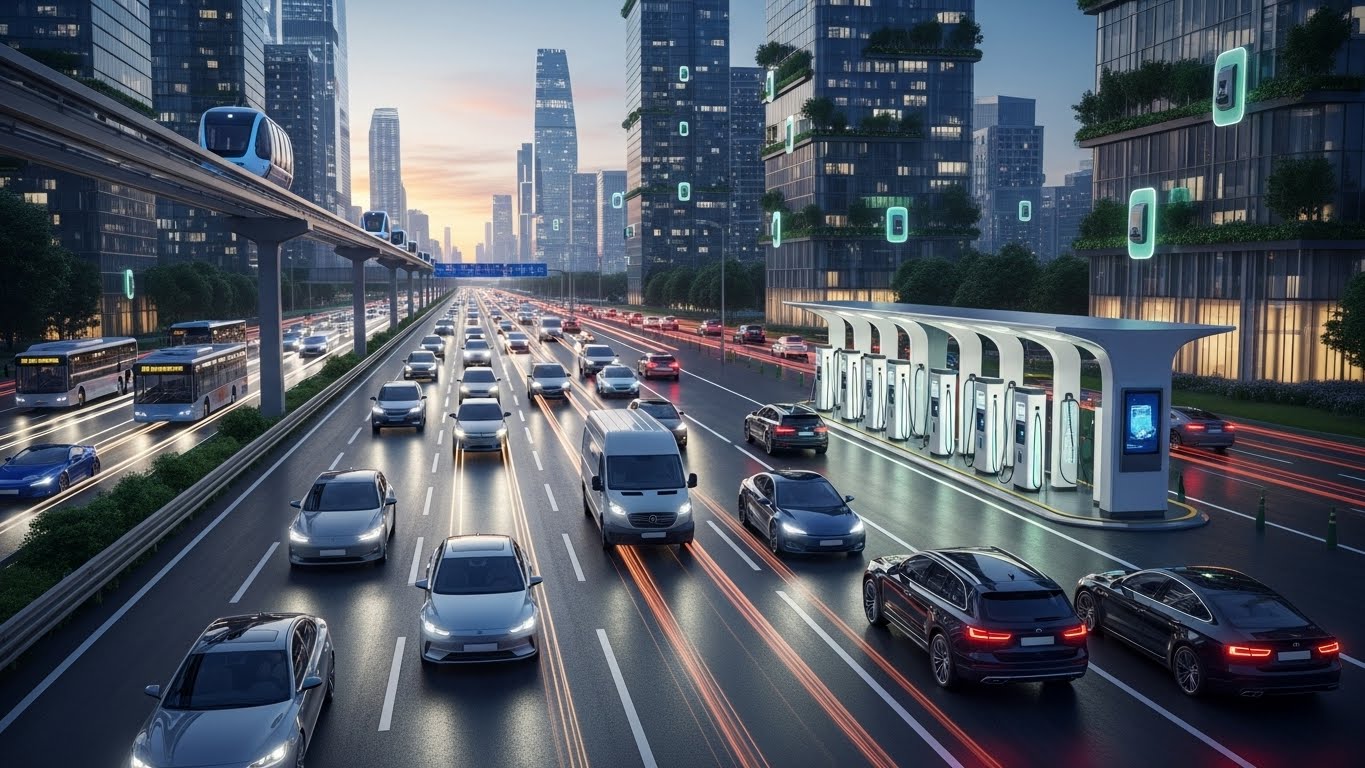
Electric vehicles, often abbreviated as EVs, are automobiles powered primarily by electricity instead of conventional fuels like gasoline or diesel. EVs use rechargeable batteries to drive electric motors, providing propulsion without internal combustion engines. These vehicles are designed to reduce carbon emissions, improve energy efficiency, and support sustainable transportation solutions. Over the past decade, electric vehicles have gained popularity due to technological improvements, environmental awareness, and policy support.
Types of Electric Vehicles
There are several types of electric vehicles, each designed for different purposes. Battery Electric Vehicles (BEVs) run entirely on electricity stored in batteries and require regular charging. Plug-in Hybrid Electric Vehicles (PHEVs) combine electric motors with internal combustion engines, allowing flexible fuel use. Hybrid Electric Vehicles (HEVs) also combine engines and electric motors but do not require external charging. Each type offers unique advantages in terms of range, efficiency, and environmental impact, catering to different consumer needs.
Benefits of Electric Vehicles
Electric vehicles provide numerous benefits compared to traditional gasoline-powered cars. They produce zero tailpipe emissions, contributing to cleaner air and reduced greenhouse gases. EVs also offer lower operating costs because electricity is generally cheaper than fuel, and maintenance is simpler due to fewer moving parts. Additionally, electric vehicles often deliver smoother acceleration and quieter operation, enhancing the overall driving experience. These benefits make EVs an attractive choice for environmentally conscious consumers and urban commuters.
Challenges Facing Electric Vehicles
Despite their advantages, electric vehicles face certain challenges. One major issue is battery range, which can limit travel distance before requiring a recharge. Charging infrastructure remains uneven, making long-distance travel less convenient in some regions. Additionally, initial purchase prices for electric vehicles can be higher than comparable conventional vehicles, though government incentives and falling battery costs are helping address this. Advances in battery technology and charging networks are gradually mitigating these challenges.
Impact on the Environment and Economy
Electric vehicle have a significant impact on both the environment and the economy. By reducing fossil fuel consumption, EVs help lower carbon emissions and air pollution. Widespread adoption of electric vehicle can also create new jobs in battery manufacturing, charging infrastructure development, and electric vehicle maintenance. Governments and businesses are increasingly investing in EV-related initiatives, signaling a major shift in transportation priorities worldwide.
Future of Electric Vehicles
The future of electric vehicle is poised for growth, with continued improvements in battery technology, charging speed, and vehicle performance. Many automakers are committing to electrifying their fleets, while governments are establishing policies to encourage adoption. As public awareness and infrastructure expand, electric vehicle are likely to become a mainstream transportation option, contributing to sustainable mobility and reducing reliance on fossil fuels.
Conclusion
Electric vehicle represent a transformative shift in modern transportation, offering environmental benefits, cost savings, and a better driving experience. While challenges like battery range and infrastructure remain, ongoing advancements and global initiatives support broader adoption. As technology evolves, electric vehicle are expected to play a central role in creating a cleaner, more sustainable, and energy-efficient transportation future.