

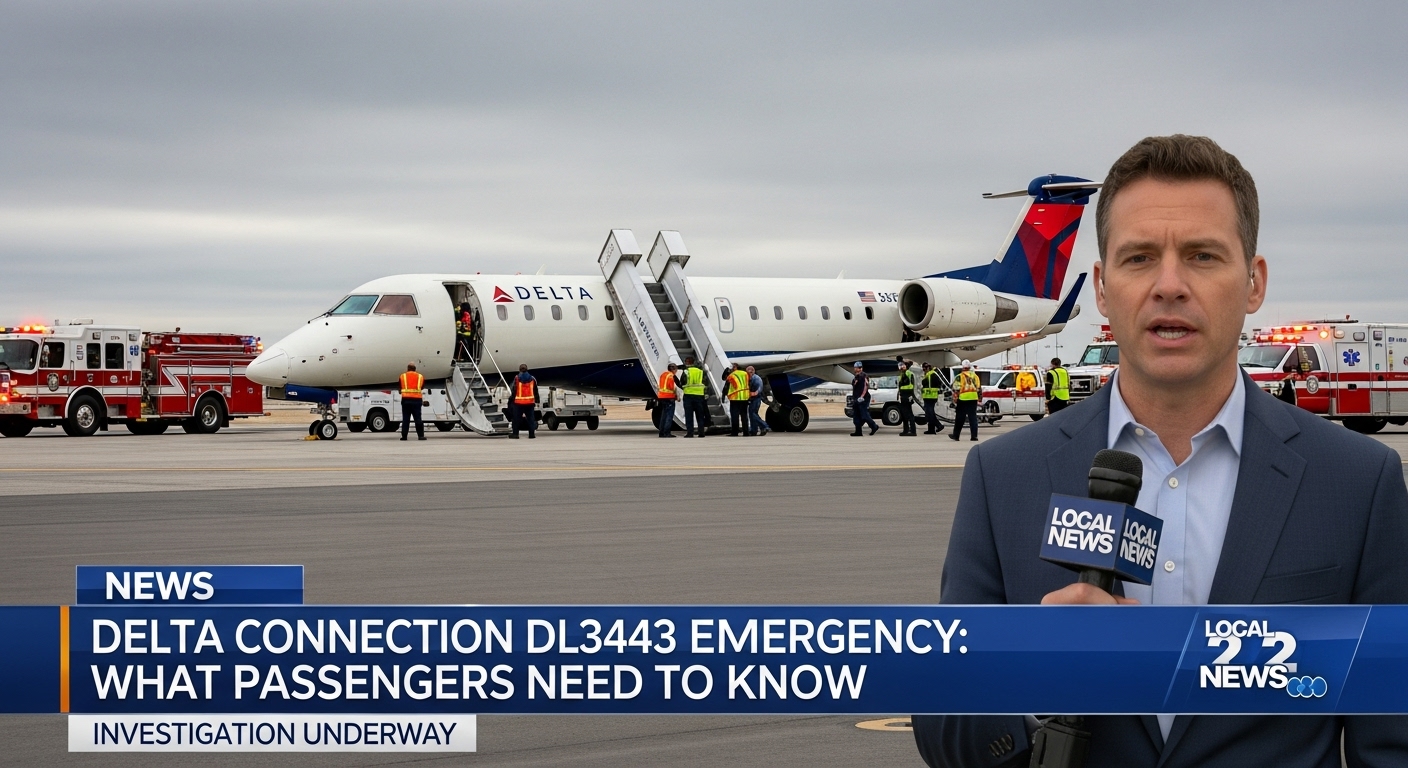
On rare occasions, flights encounter unexpected situations that require immediate attention, and Delta Connection DL3543 recently made headlines due to an emergency landing. Such events can be alarming for passengers and onlookers alike, but understanding what occurs during an emergency landing can provide clarity and reassurance. Airlines follow strict protocols to ensure safety, and incidents like the Delta Connection DL3543 emergency landing highlight the training, preparation, and coordination that go into managing in-flight emergencies.
Emergency landings, while concerning, are part of aviation safety procedures designed to protect passengers, crew, and aircraft. Each landing follows established safety measures and reflects the airline’s commitment to minimizing risk.
The Circumstances Behind the Delta Connection DL3543 Emergency Landing
The Delta Connection DL3543 emergency landing was prompted by an unexpected technical issue that required immediate attention. While specific details may vary, airlines classify situations as emergencies when they could compromise safety or operational integrity if not addressed promptly. In such cases, the pilot has the authority to divert the flight to the nearest suitable airport.
Technical malfunctions, medical emergencies, or unusual weather conditions often trigger emergency landings. For passengers, these decisions may seem abrupt, but they are carefully calculated to prioritize safety above all else.
How Pilots Manage In-Flight Emergencies
Pilots of Delta Connection flights, including DL3543, undergo rigorous training to handle emergencies calmly and efficiently. The decision to perform an emergency landing involves coordination with air traffic control, assessment of the nearest airports, and continuous monitoring of aircraft systems.
During an emergency, communication between the cockpit and cabin crew is critical. Flight attendants inform passengers of procedures, and pilots adjust flight paths while considering safety margins. The seamless execution of these steps reflects the depth of preparation in commercial aviation.
Passenger Experience During an Emergency Landing
For passengers, experiencing an emergency landing can be stressful, but airline staff are trained to manage both safety and reassurance. On Delta Connection DL3543, crew members provided instructions for seatbelts, emergency exits, and other safety protocols. Maintaining calm and following crew guidance ensures a smoother and safer landing process.
Passengers often report that clarity, reassurance, and timely communication significantly reduce anxiety during such events. Airlines like Delta invest in crew training and communication strategies to enhance passenger confidence even in unexpected scenarios.
Safety Protocols and Airport Coordination
Emergency landings require collaboration between the airline, air traffic control, and the airport receiving the flight. In the case of Delta Connection DL3543, airport authorities prepared emergency response teams, cleared runways, and ensured that medical or technical support was available upon arrival.
Coordination ensures that even in urgent situations, every possible precaution is taken. From fire safety crews to ambulance services, airports implement protocols to manage emergencies efficiently, demonstrating the layered safety measures built into aviation operations.
Common Causes and Prevention Measures
While every emergency landing has unique factors, common causes include mechanical issues, engine anomalies, and health-related incidents on board. Airlines like Delta continuously monitor aircraft maintenance, perform routine inspections, and provide crew training to prevent emergencies whenever possible.
Preventive measures also extend to passenger safety briefings, real-time monitoring of flight conditions, and standardized response procedures. These practices reduce the likelihood of serious incidents and contribute to the overall safety record of commercial aviation.
Lessons Learned From the Delta Connection DL3543 Incident
The Delta Connection DL3543 emergency landing reinforces the importance of preparedness, communication, and calm execution in aviation. Each event is analyzed post-incident to identify improvements, ensuring future flights benefit from lessons learned. Passengers and crew alike gain insight into safety procedures, enhancing confidence in the airline’s operational protocols.
Airlines leverage these experiences to refine training programs, update emergency checklists, and enhance coordination with airports. The goal is always to improve response efficiency and passenger safety in all circumstances.
Conclusion
The Delta Connection DL3543 emergency landing highlights the effectiveness of aviation safety measures and the professionalism of airline crews. While such events can be unnerving, understanding the procedures behind emergency landings, pilot decisions, and airport coordination helps contextualize the incident. By prioritizing safety, communication, and preparedness, airlines ensure that passengers reach their destinations with minimal risk, reinforcing trust in commercial air travel.