

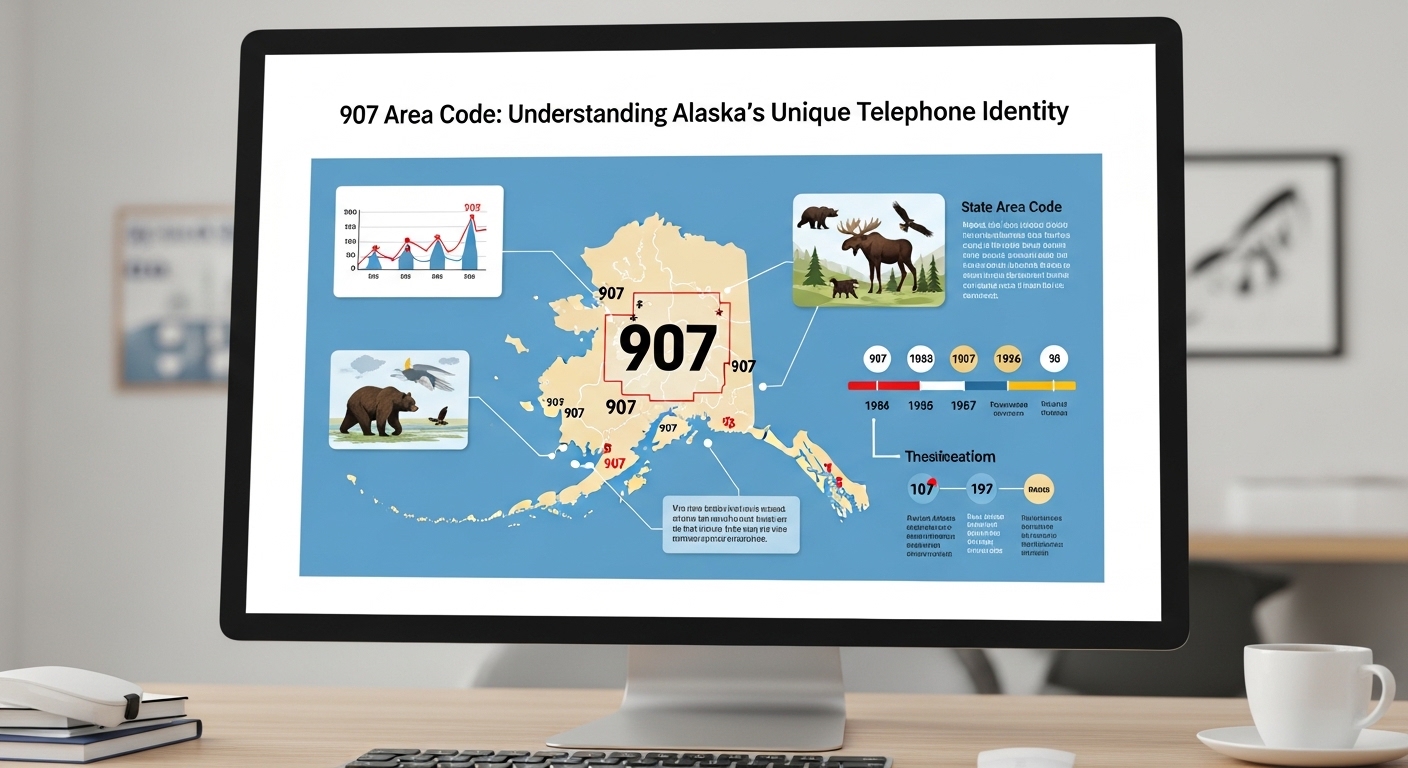
The 907 area code is more than just a set of numbers; it represents the vast geography, culture, and connectivity of Alaska. As the only area code serving the entire state, 907 holds a special place in North American telecommunications. From remote villages to major cities, this area code connects people across challenging landscapes and extreme weather conditions. For residents, businesses, and anyone receiving a call from Alaska, understanding the significance of the 907 area code provides useful context about location, history, and communication needs in one of the world’s most distinctive regions.
Geographic Coverage of the 907 Area Code
The 907 area code covers the entire state of Alaska, making it unique among United States area codes. Unlike other states that require multiple area codes due to population density, Alaska’s vast land area and relatively small population allow a single code to serve all regions. This includes urban centers such as Anchorage, Fairbanks, and Juneau, as well as remote rural communities accessible only by air or water. The 907 area code plays a critical role in ensuring communication across long distances, often where infrastructure is limited. Because Alaska’s terrain includes mountains, tundra, and islands, maintaining reliable phone service is complex. Despite these challenges, the 907 area code unifies the state under one recognizable telecommunications identity. This broad coverage also means that calls from the 907 area code cannot be tied to a specific city without additional context, reinforcing its role as a statewide identifier rather than a local marker.
Historical Background of the 907 Area Code
The 907 area code was introduced in 1957 as part of the North American Numbering Plan, reflecting Alaska’s growing need for organized telephone services after becoming a U.S. state. At the time, communication infrastructure was limited, and long-distance calls were both expensive and difficult to manage. Assigning a single area code simplified call routing and helped integrate Alaska into the national communication network. Over the decades, advancements in technology have improved service quality, but the original 907 designation has remained unchanged. This continuity has given the area code a sense of tradition and recognition. Unlike many regions that have undergone splits or overlays, Alaska has retained its original code due to stable demand. The 907 area code now symbolizes both the state’s historical development and its ongoing connection to the rest of the country through modern telecommunications.
Importance of the 907 Area Code for Local Businesses
For local businesses, the 907 area code serves as a marker of authenticity and trust. Companies operating within Alaska often prefer using this area code to signal their physical presence and commitment to the region. Customers are more likely to engage with businesses that display a familiar local number, especially in industries such as tourism, transportation, and regional services. The 907 area code also helps businesses establish credibility with both local residents and international clients seeking Alaskan expertise. In a competitive digital environment, a recognizable area code can strengthen brand identity and customer confidence. Additionally, since Alaska relies heavily on remote communication, having a local number ensures accessibility across time zones and geographic barriers. The 907 area code therefore supports economic activity by reinforcing local connections while enabling broader outreach.
Recognizing Calls From the 907 Area Code
Receiving a call from the 907 area code immediately indicates a connection to Alaska. This can be useful for individuals and organizations managing communications across different regions. Calls from this area code may come from government offices, tourism operators, logistics providers, or residents living in remote communities. Because Alaska operates across unique time considerations and logistical challenges, recognizing the 907 area code helps recipients respond appropriately. While modern call screening tools are common, understanding area codes still provides valuable context. The 907 area code’s exclusivity reduces confusion, as it is not shared with any other state or territory. This clarity allows people to associate incoming calls with a specific geographic and cultural environment, enhancing communication awareness and responsiveness.
Future Outlook for the 907 Area Code
The future of the 907 area appears stable due to Alaska’s steady population growth and controlled demand for phone numbers. Unlike densely populated states facing frequent area code changes, Alaska’s telecommunications needs remain well within current capacity. Advances in mobile technology and internet-based calling continue to reduce pressure on traditional numbering systems. However, the 907 area is likely to remain a central identifier for the state, even as communication methods evolve. Its continued use reflects both practicality and tradition. As Alaska balances modernization with preservation of its unique character, the 907 area will remain a consistent element of its communication landscape.
Conclusion
The 907 area stands as a distinctive symbol of Alaska’s identity, connecting diverse communities across an expansive and challenging environment. Its statewide coverage, historical significance, and practical value make it an essential part of daily communication. Whether for personal calls, business operations, or recognizing regional connections, the 907 area continues to play a vital role. As technology advances, this single, enduring code will remain a trusted link between Alaska and the wider world.